
 English
 Français
 Español
 العربية
 中文
 עברית
 Deutsch
 Dansk
 हिन्दी
 Soomaali
 Kiswahili
Ethiopian food
Most meals come on injera, a soft, slightly sour flatbread you tear with your right hand to scoop up stews, and this is the birthplace of coffee. Here's what injera is and how to eat it, the dishes to try, the coffee ceremony and what to drink.
What is injera?
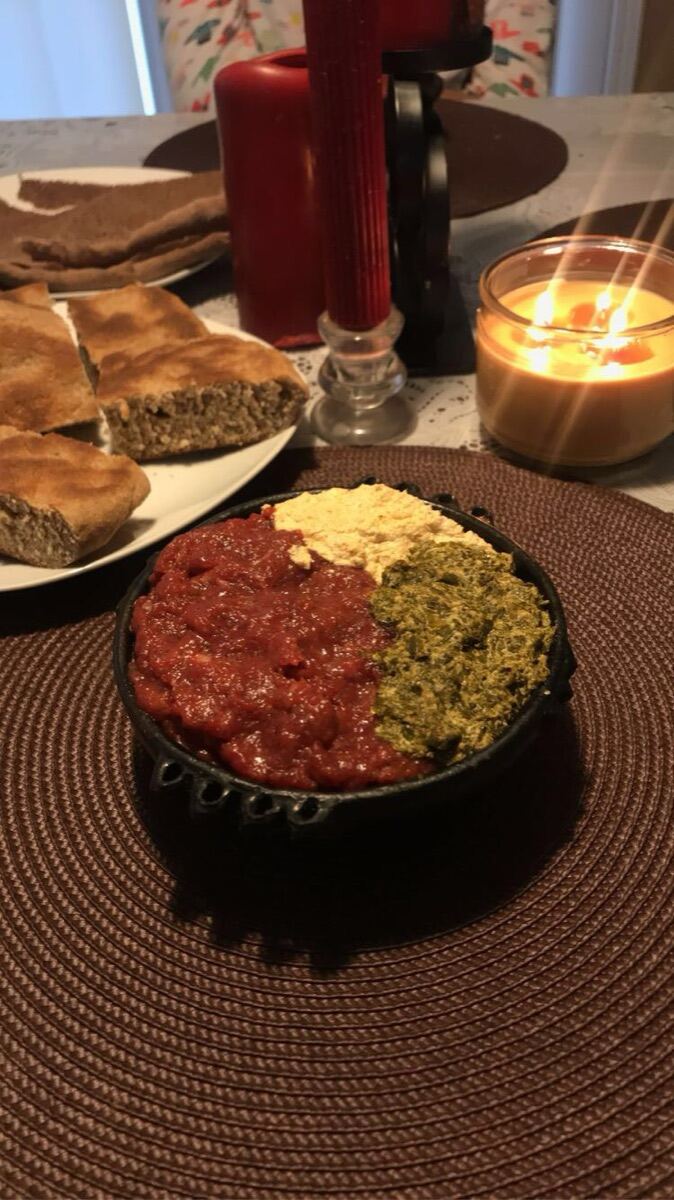
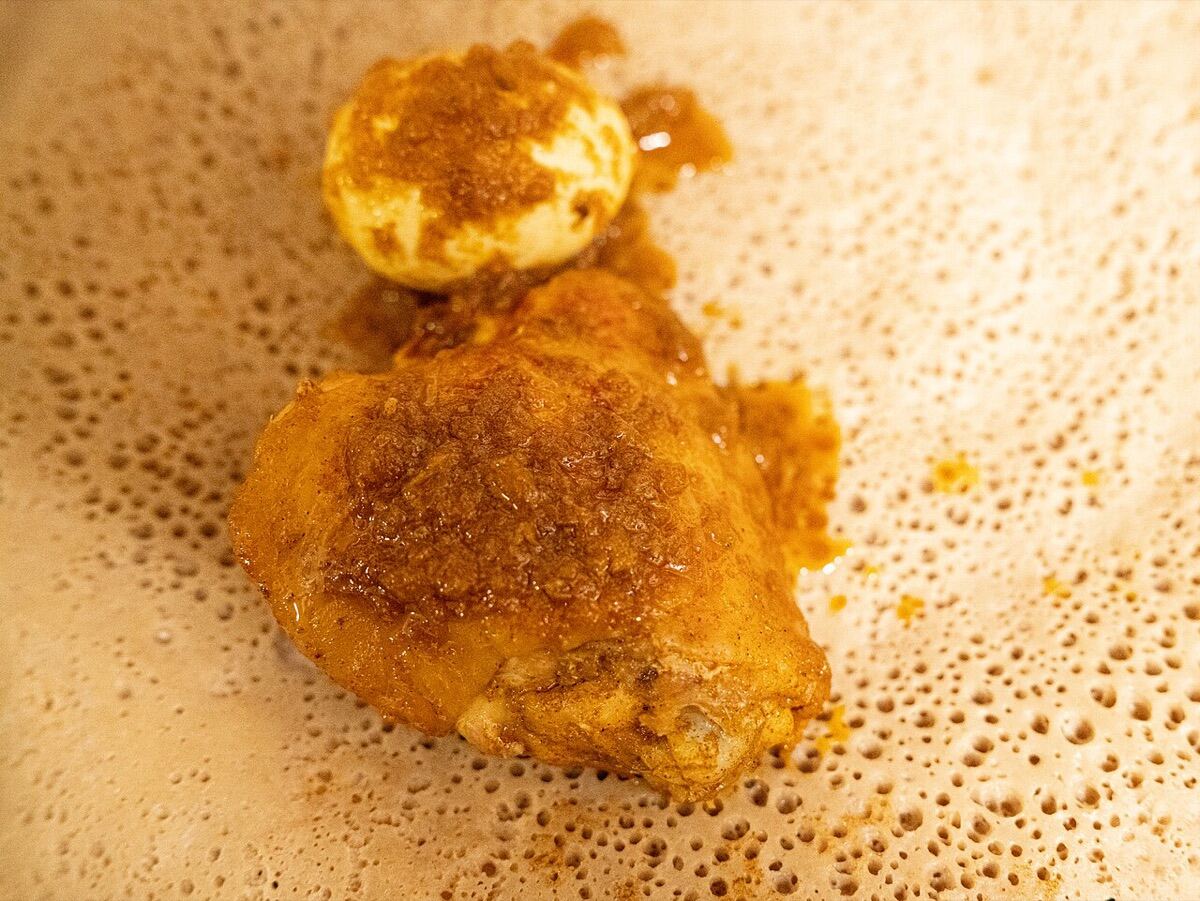
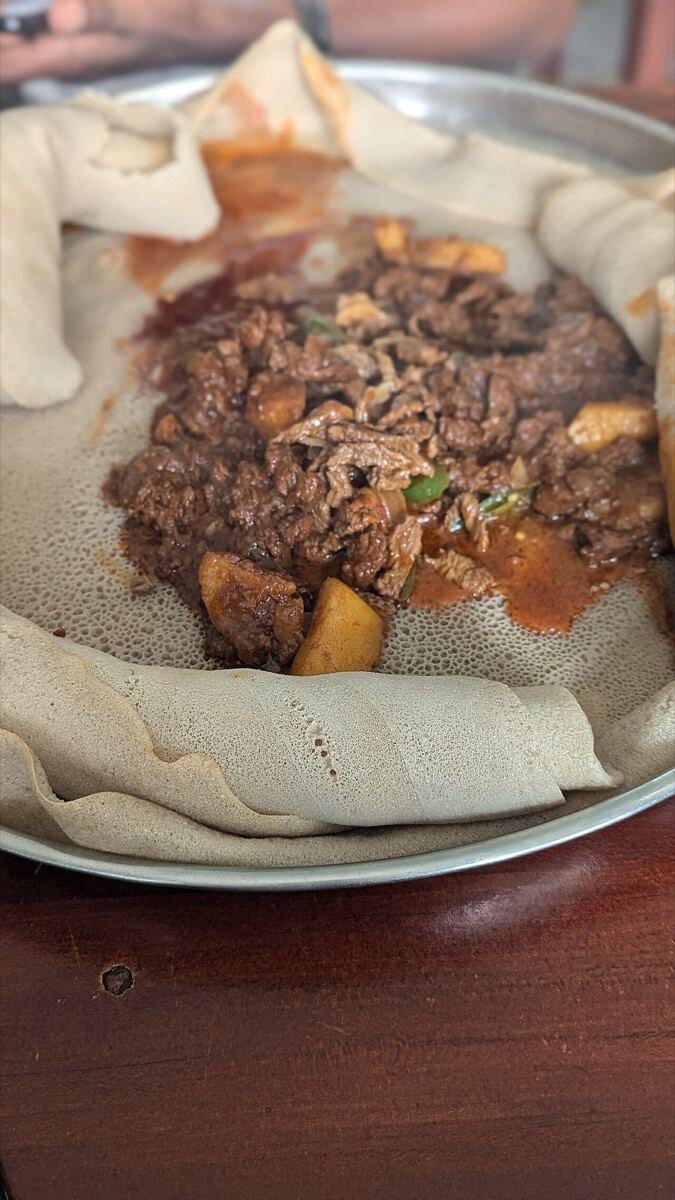
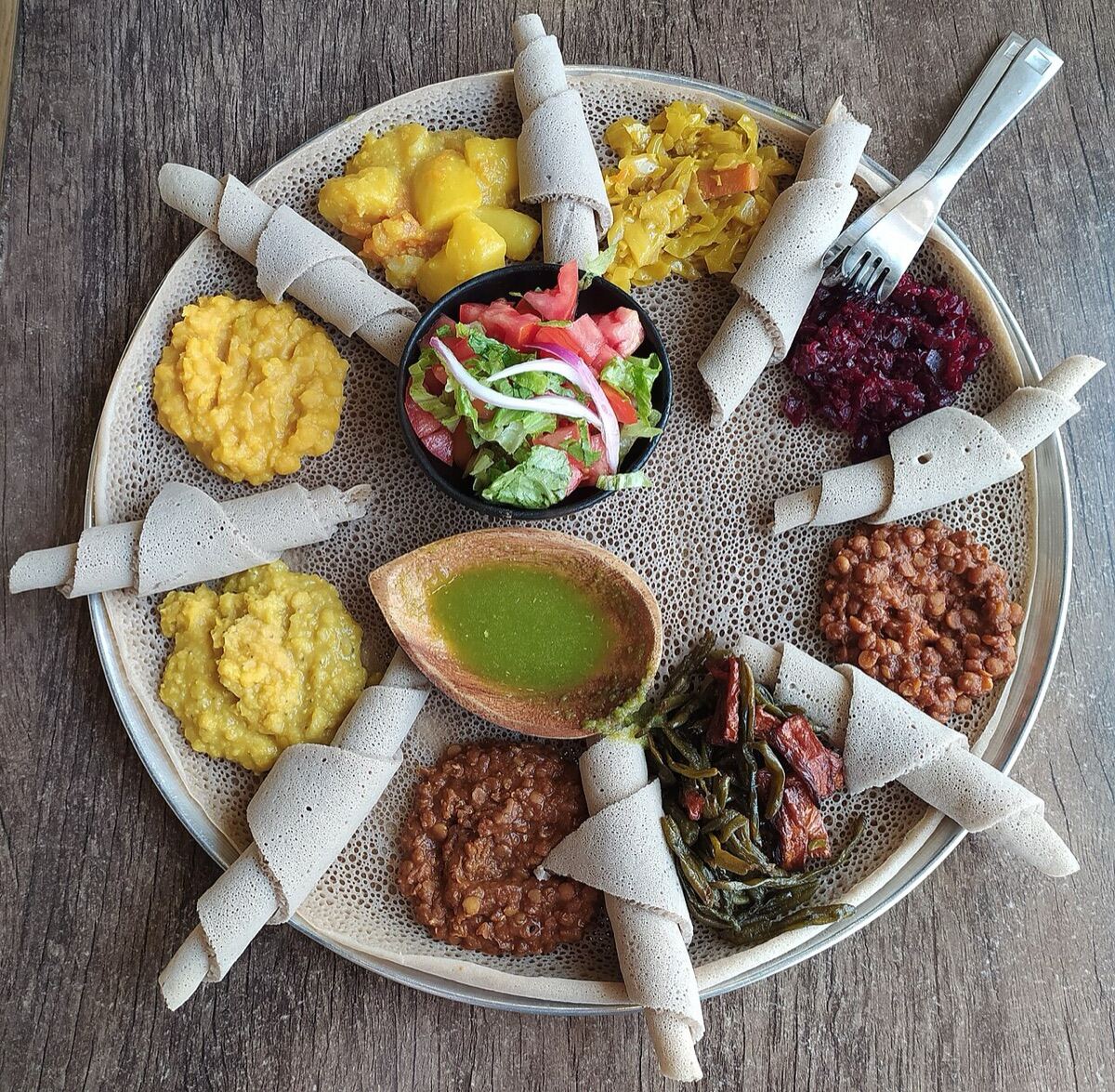
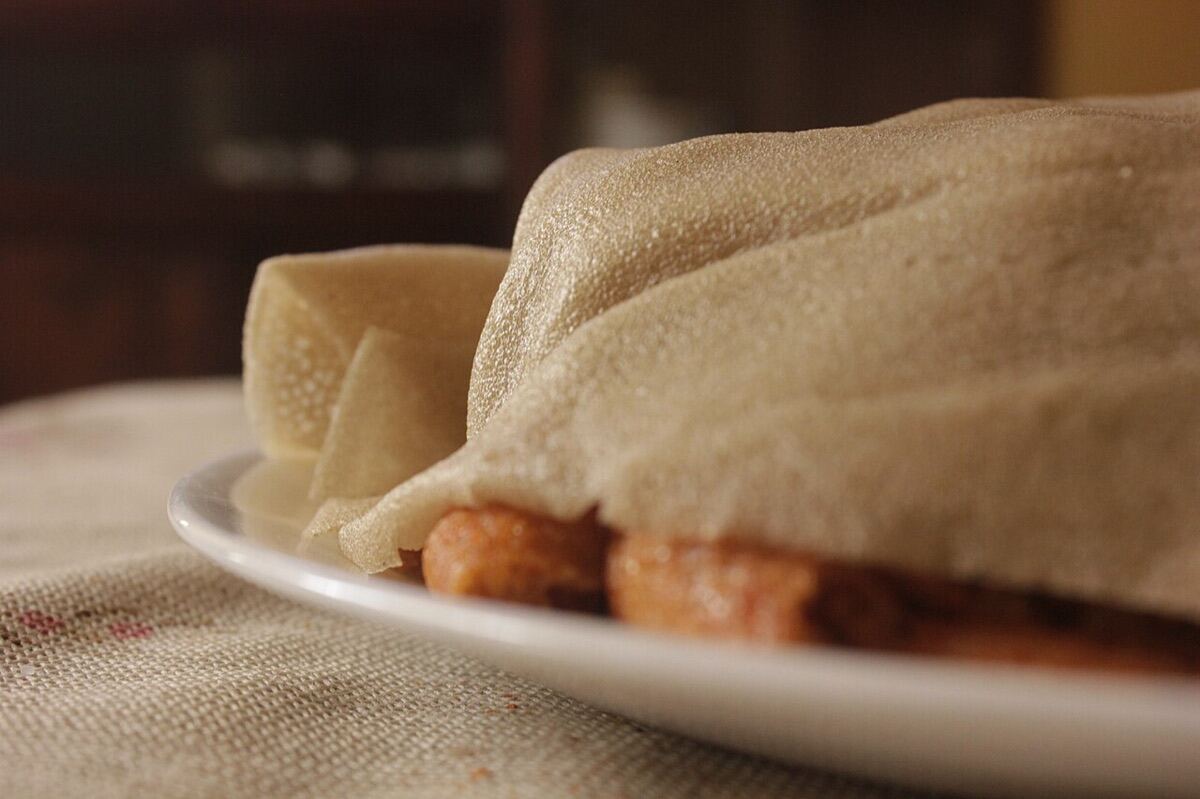
Injera is the soft, spongy, slightly sour flatbread that almost every Ethiopian meal is served on. It's made from teff, a tiny grain grown in the highlands, mixed with water and left to ferment for a few days, then poured into a wide pan and steamed on one side only, which gives it its bubbly top. It's your plate and your spoon: stews are spooned on top, and you eat by tearing off pieces to scoop them up.
How to eat it
- 1Wash your hands first. Restaurants bring water and soap to the table, or have a sink nearby.
- 2Use your right hand only. The left is not used for food.
- 3Tear off a piece from the rolled injera on the side, or from the edge of the big one underneath.
- 4Pinch, don't dip: wrap the piece round a little stew with your fingertips and lift it to your mouth.
- 5Eat from the part in front of you, and save the stew-soaked injera underneath for last: it's the best bit.
- 6Gursha: if someone feeds you a bite with their hand, it's a sign of friendship. Accept it, and return one if you like.
Nini cha kula
- Doro watMchuzi wa kuku wenye pilipili pamoja na yai la kuchemsha; chakula cha sikukuu.
- TibsNyama ya ng'ombe au kondoo iliyokaangwa pamoja na kitunguu na pilipili.
- KitfoNyama ya ng'ombe iliyosagwa pamoja na siagi yenye viungo, huliwa mbichi au ikiwa imepikwa kidogo (omba leb leb).
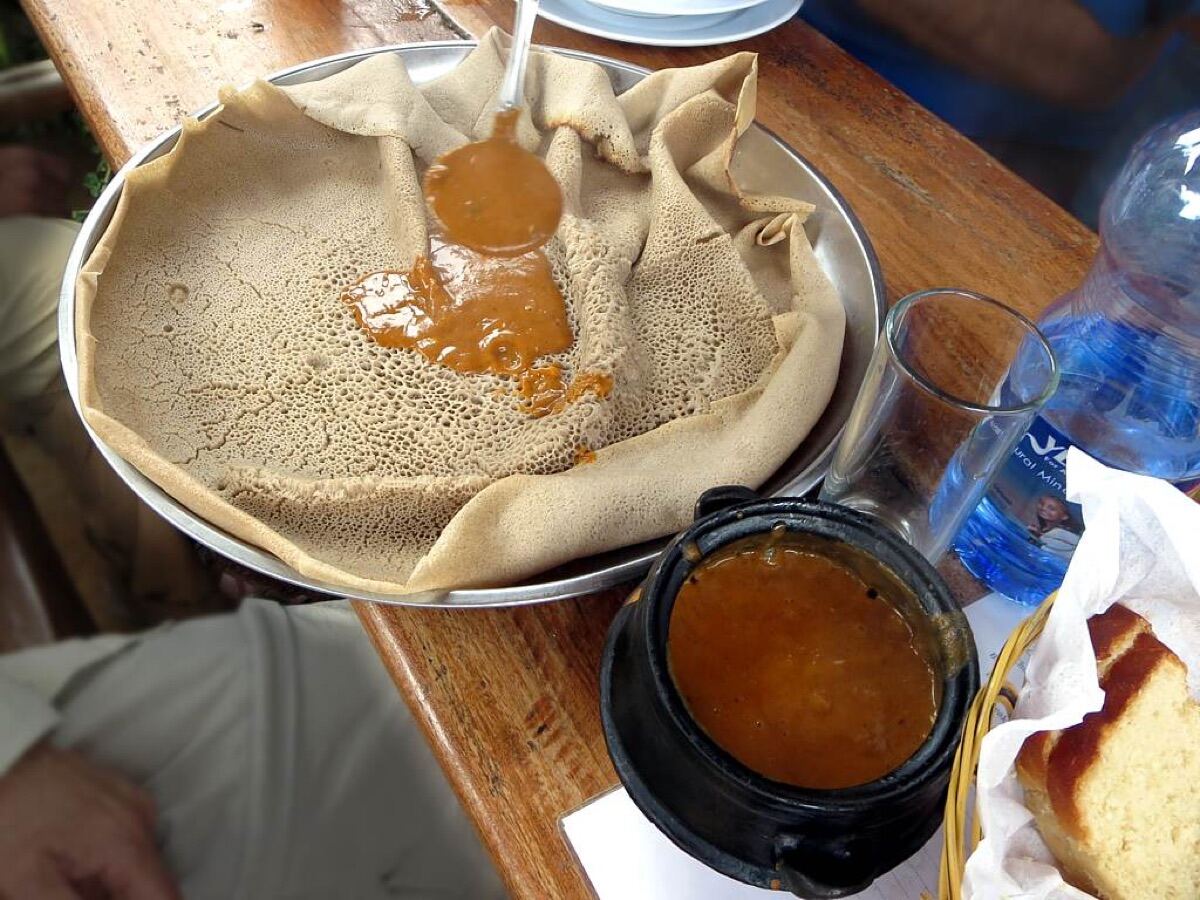 ShiroMchuzi wa njegere; ni vegan na unapatikana kila mahali.
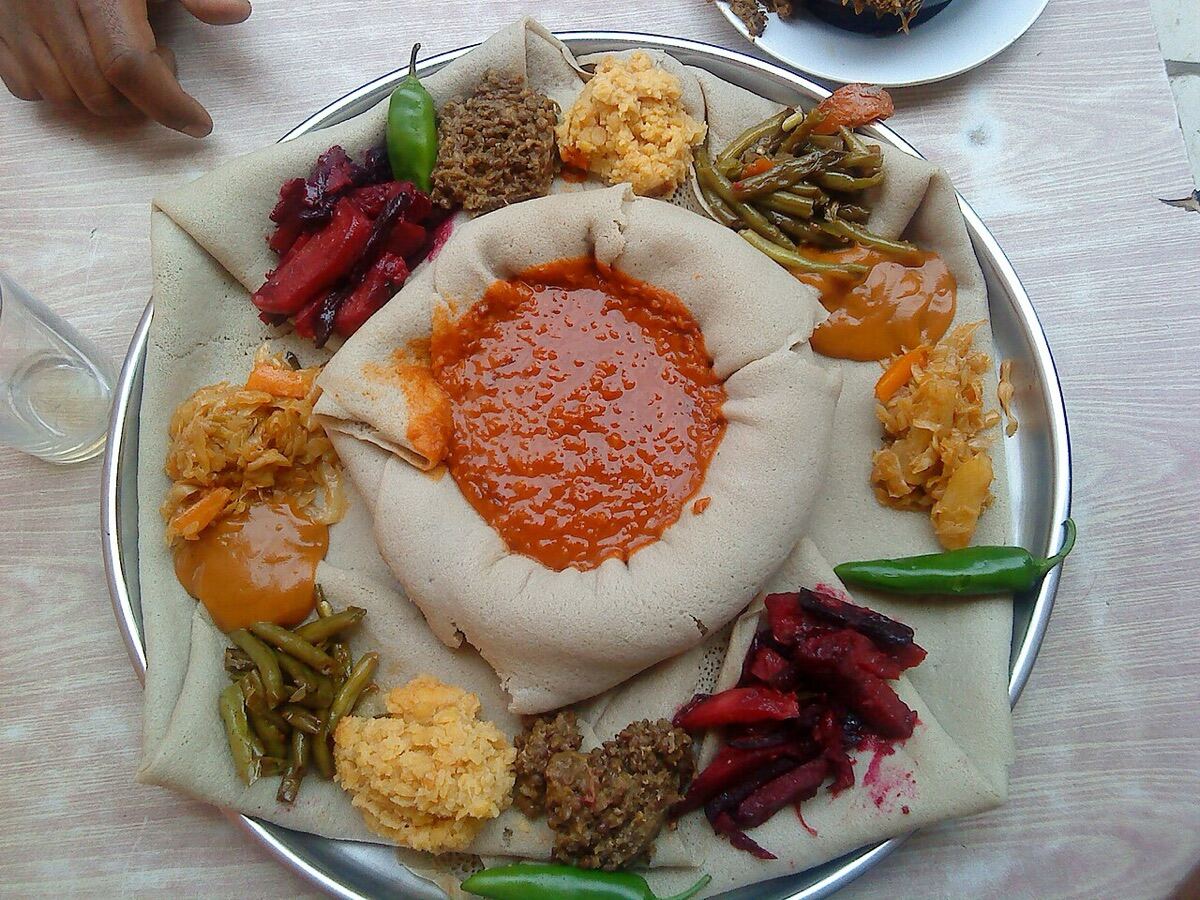 BeyaynetuSahani ya vyakula vya mfungo vya vegan. Tazama Wasafiri walaji mboga.
- FirfirInjera iliyokatwakatwa ndani ya mchuzi, kifungua kinywa kinachopendwa.
Nyumbani kwa kahawa
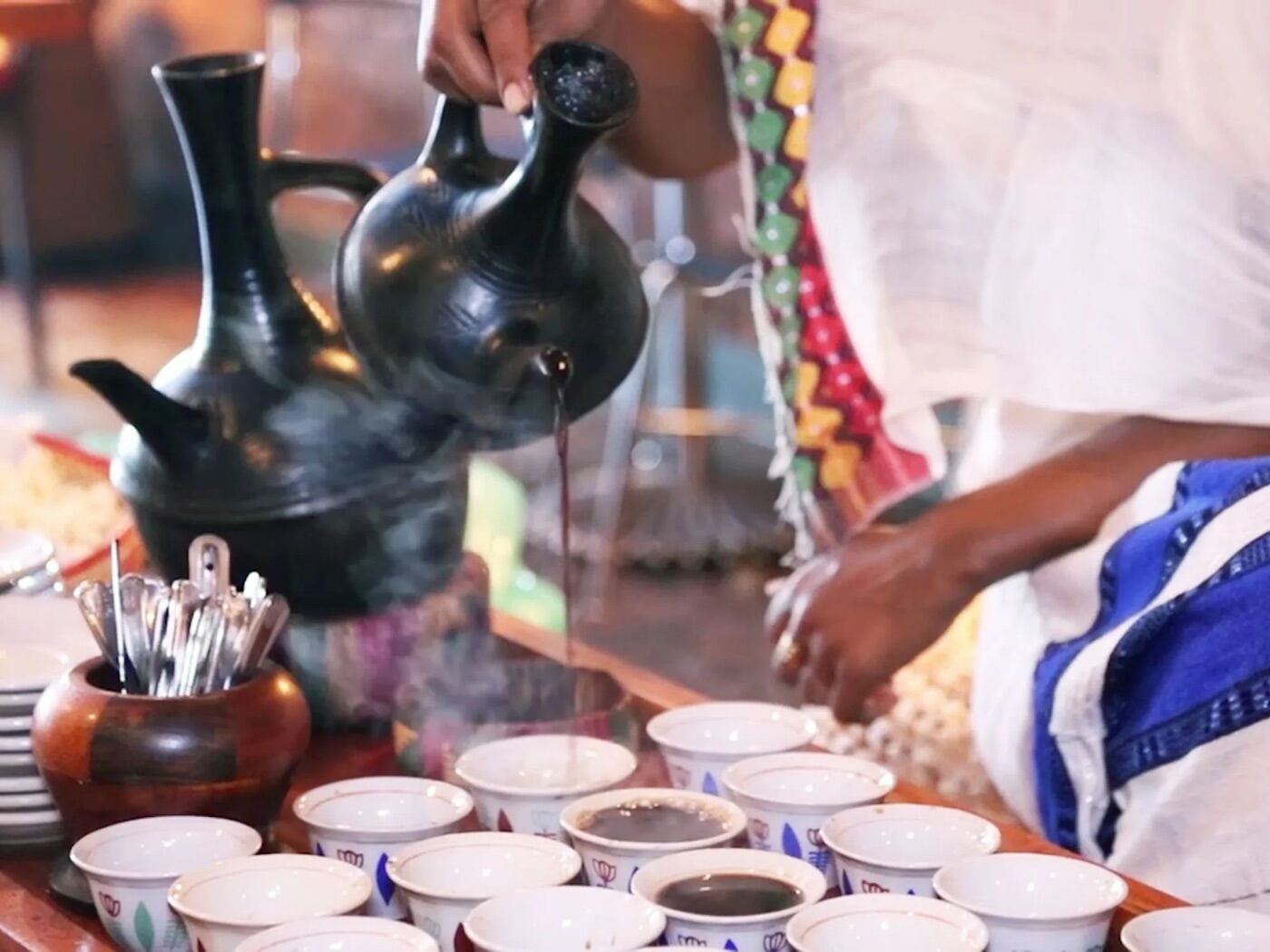 Sherehe ya kahawa ya Ethiopia
Kahawa inatoka Ethiopia. Mmea huu huota wenyewe katika misitu ya kusini-magharibi ya Kaffa, na hadithi husema mchungaji wa mbuzi aitwaye Kaldi ndiye wa kwanza kugundua nguvu zake. Kahawa bado iko katikati ya maisha ya kila siku: buna ndiyo njia watu wanayomkaribisha mgeni, wanayohitimisha mazungumzo na wanayopitisha mchana.
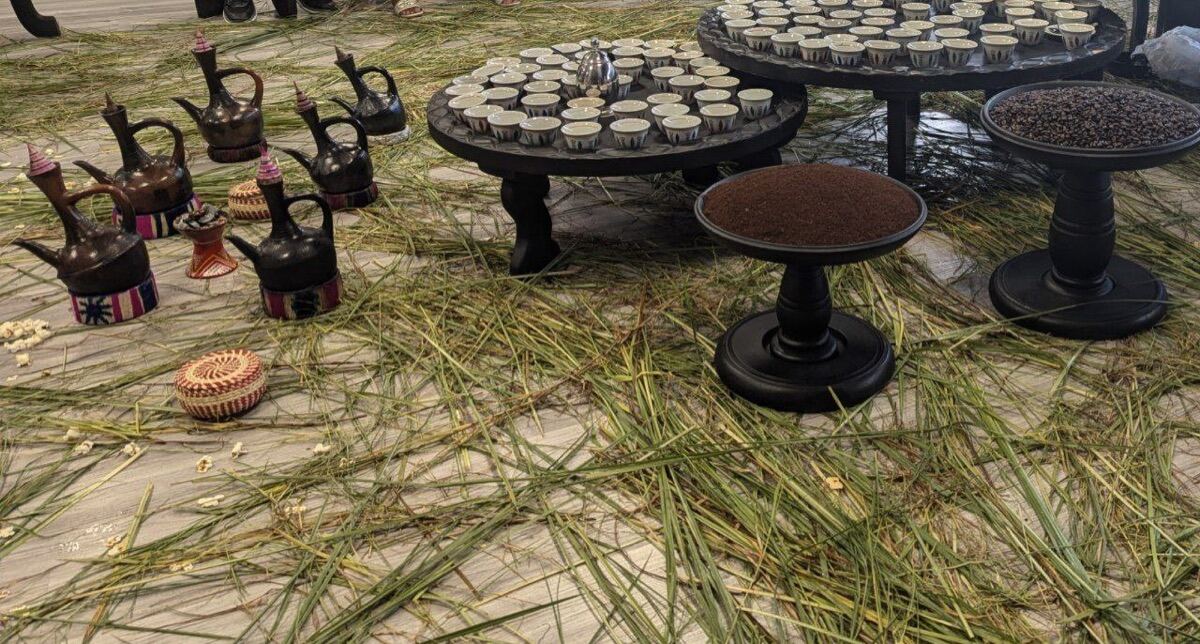
- Sherehe ya kahawa: punje mbichi hukaangwa juu ya makaa, husagwa kwa mkono na kupikwa ndani ya jebena ya udongo, huku ubani ukifukizwa na bisi pembeni. Huchukua saa moja au zaidi, na unatarajiwa kubaki.
- Mizunguko mitatu: abol, tona na bereka. Kukubali yote mitatu ni adabu; inasemekana wa tatu huleta baraka.
- Kahawa ya kila siku: buna bets (nyumba za kahawa) ndogo zipo kila mtaa, na Addis inapenda sana macchiato. Kikombe hugharimu birr kadhaa kumi.
- Kupeleka nyumbani: nunua pakiti zilizofungwa za dukani kutoka Yirgacheffe, Sidama, Harar au Guji, na uhifadhi risiti (kikomo cha kusafirisha nje ni kg 2).
Nini cha kunywa
Vimepangwa kwa makundi ili iwe rahisi kuepuka pombe au kafeini.
Kahawa na chaiKafeini
- Buna · Kahawa ya Ethiopia, nyeusi au na sukari; jaribu sherehe ya kahawa.
- Macchiato · Kinywaji kinachoagizwa zaidi kwenye mikahawa ya Addis.
- Shai · Chai tamu, mara nyingi yenye mdalasini au karafuu.
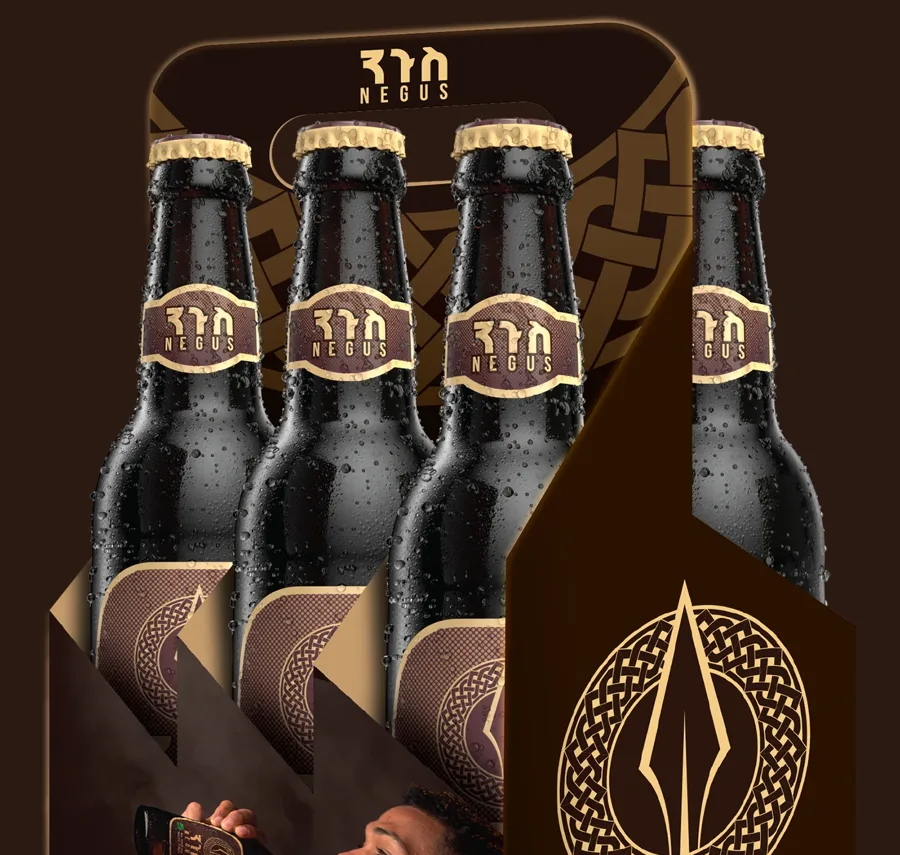 Negus, an Ethiopian coffee-flavoured non-alcoholic malt
Visivyo na kileoBila kileo
- Sen'q · Kinywaji cha kimea cha BGI Ethiopia, kilichoandikwa kuwa hakina kileo.
- Negus · Kinywaji cha kimea cheusi cha Habesha Breweries, kilichoandikwa kuwa hakina pombe.
- Spris · Juisi freshi ya matabaka: parachichi, embe, papai.
- Ambo · Maji ya madini yenye gesi asilia kutoka Ambo.
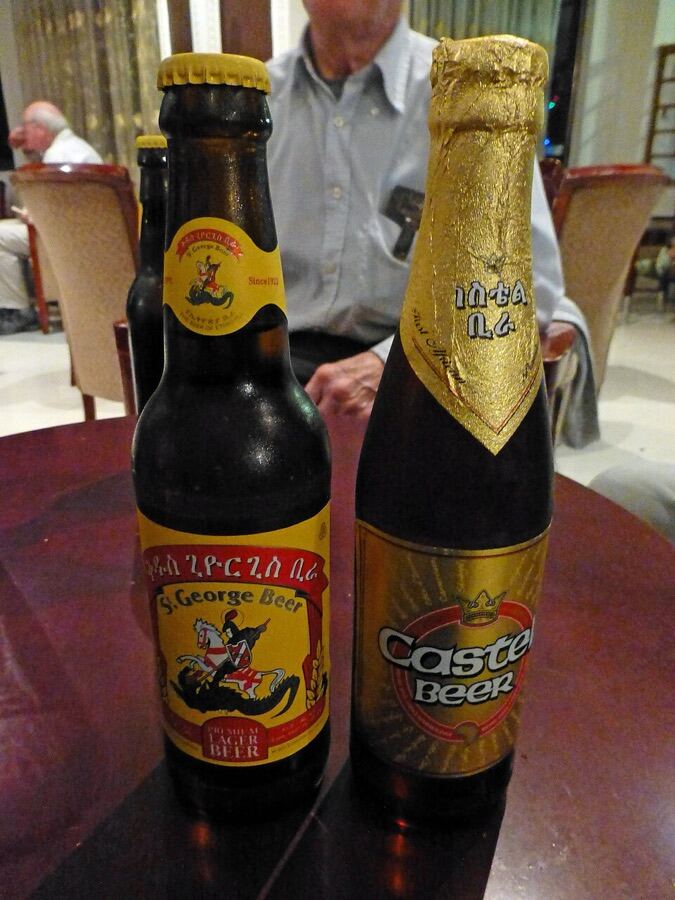
PombePombe
- Tej · Divai ya asali, hutolewa kwenye chupa ya duara (berele).
- Tella na areke · Bia ya kienyeji na pombe kali.
- Bia za hapa · St. George, Habesha, Walia, Meta, Bedele, Dashen na Harar.
Maswali ambayo watu huuliza
What is injera?
Injera is a large, soft, slightly sour fermented flatbread made from teff flour, sometimes mixed with wheat or barley. Ethiopian food is served on it, and you tear it with your right hand to scoop up stews (wat) and vegetables.
Is Ethiopian food good for vegans?
Yes. On Wednesdays, Fridays and during Orthodox fasting seasons, most restaurants serve fasting food (tsom), which is fully vegan. Beyaynetu, a platter of several fasting dishes on injera, is the best first-time order.
Is injera gluten-free?
Only if it's pure teff. Injera is sometimes mixed with wheat or barley flour, so ask.
What is kitfo?
Kitfo is minced beef with spiced butter and mitmita (chilli powder). It's served raw unless you ask for leb leb (lightly cooked) or yebesele (cooked).
How much does a meal cost in Addis Ababa?
About 250 to 500 ETB for shiro or beyaynetu at a local restaurant, or 600 to 1,200 ETB at a mid-range or hotel restaurant. Meat dishes such as tibs or doro wat cost about 500 to 1,000 ETB locally and 1,000 to 2,500 ETB mid-range.