
Pay and tip
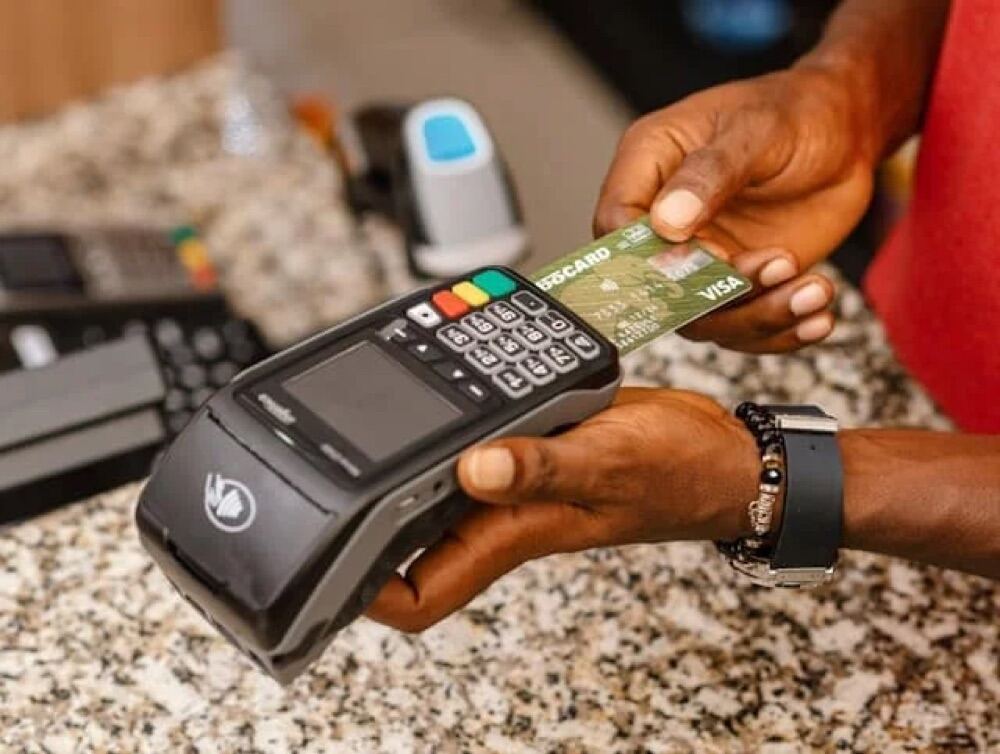
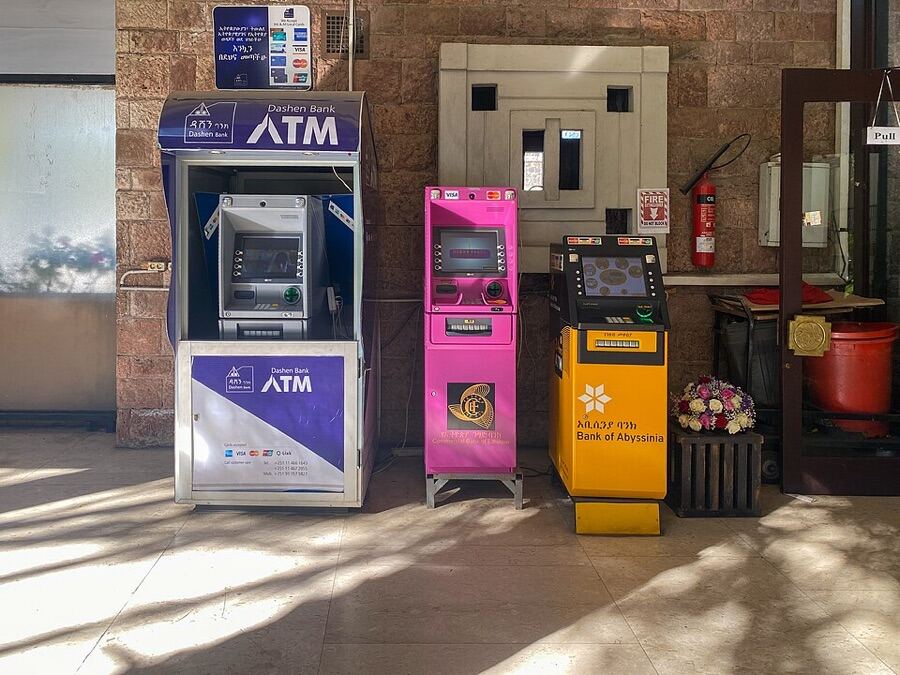
Carry birr in cash for most everyday spending. Cards work at larger hotels, airlines, some supermarkets and upmarket restaurants in Addis, but rarely elsewhere. Mobile money (telebirr, M-Pesa) is everywhere locally but takes some setup for visitors.
How people pay
Mobile money is everywhere in Addis; cash still matters for small things.
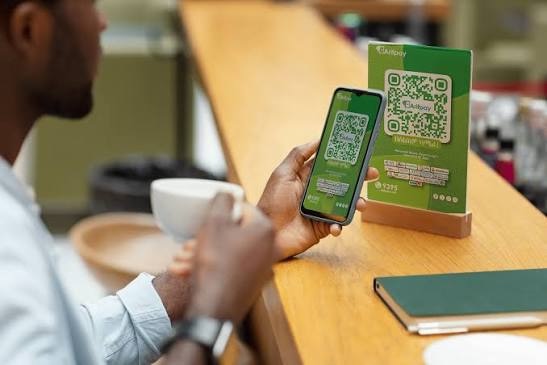
- Hotels, cafés and restaurantsMost take mobile money: they show a QR code and you scan it with telebirr, M-PESA, e-birr or a bank app.
- No QR code?Ask the waiter or shopkeeper for their bank account or wallet number. From telebirr or M-PESA you can send to any Ethiopian bank account or wallet.
- Ride appsPay the driver in cash or send it by telebirr or another mobile money app.
- MinibusesUsually cash, but some conductors now accept mobile money too.
- Kiosks and small shopsCarry cash in small notes; not every small seller takes mobile money.
- Flights, trains and car hirePay with telebirr, M-PESA or a bank account in the booking apps, or by transfer.
Want to pay like a local from your foreign bank account or card? See how to move your money.
How much to tip
Tips are given in cash, even when you paid by QR or card: get your receipt, then leave the tip in notes. Wages are low, so a generous tip makes a real difference.
- Restaurants and cafés10%, or at least 100 Br; round up if service is included
- Hotel porters100 to 200 Br a bag
- Housekeeping200 Br or more a day
- Ride driversRound up, or 100 Br for a long trip or help with bags
- Private driverUSD 10 a day or more
- GuidesUSD 10 to 20 a day per group; more for multi-day trips
Good to know
- Ask before ordering whether a place takes cards, and expect some card payments to fail. Keep cash as backup.
- Card surcharges of 3–5% are common at tour operators and some hotels.
- Carry small notes (10, 50, 100 birr). Small sellers and taxi drivers often can't change large notes.
- Prices for foreigners at hotels and some tours may be quoted in USD; you can usually pay the birr equivalent.
- Mobile money: telebirr (Ethio Telecom) and M-Pesa (Safaricom) need a local SIM registered with your passport. Useful for longer stays; not essential for a short trip.
Questions people ask
Can I pay by card in Addis Ababa?
Sometimes. Cards work at larger hotels, airlines, some supermarkets and upmarket restaurants in Addis, but rarely elsewhere, and Visa is the most common. Ask before ordering, expect some card payments to fail, and keep cash as backup.
Can I pay in US dollars in Ethiopia?
Sometimes. Hotels and some tours may quote foreigners in USD, and tour operators and lodges may take birr or USD, but you can usually pay the birr equivalent. For most everyday spending, carry birr in cash.
Can tourists use telebirr or M-Pesa in Ethiopia?
Yes, but you need a local SIM registered with your passport. telebirr (Ethio Telecom) and M-Pesa (Safaricom) are useful for longer stays but not essential for a short trip.
How much should I tip in a restaurant in Ethiopia?
5 to 10% if there's no service charge on the bill. Many bills already include a 10% service charge plus 15% VAT, and then you can just round up or leave small change. Tipping is appreciated, not compulsory.
How much should I tip hotel staff in Ethiopia?
About 50 to 100 ETB per bag for a hotel porter, and 100 to 200 ETB per day for housekeeping.
How much should I tip a tour guide or driver in Ethiopia?
About USD 5 to 15 per group for a local guide at a site, depending on length, and USD 10 to 20 per day per group for a multi-day tour guide. A private driver for a full day gets about USD 5 to 10 per day, or the birr equivalent.