
Filming and vlogging
Ethiopia is a dream to film, and most people are relaxed about cameras. A few rules matter though: some places are strictly off limits, drones need approval before you arrive, and anything that looks like professional media work needs a permit.
What you can bring and film
- Phones, cameras, action cameras, gimbals and small microphones for your own use are fine. Bring normal travel quantities; several new items that look commercial may be charged duty.
- Filming landscapes, markets, food and city life for your own channel is common and widely tolerated.
- Interviews, documentaries, or work for a news or production company need a permit from the Ethiopian Media Authority (Directive 900/2022). The rules for personal YouTube channels aren't spelled out, so if your video is more than casual travel footage, ask the Authority or an Ethiopian embassy before you travel.
Where cameras aren't allowed
- Military sites and soldiers, police officers and police stations.
- The National Palace and other government buildings and offices.
- Airports, bridges, dams and other key infrastructure.
- Anywhere with a no-photography sign. These places aren't always marked, so if a guard or officer says stop, stop and delete if asked. Penalties include fines, confiscated equipment and arrest.
Drones
- Bringing in a drone without prior approval from INSA (the Information Network Security Administration) and customs is illegal; unapproved drones are held at the airport, and you may not get them back.
- Flying needs permission from the Ethiopian Civil Aviation Authority as well as INSA. Apply well before your trip, ideally through a licensed tour operator; otherwise leave the drone at home.
Filming people
- People are becoming more used to cameras, but many still don't want to be recorded. Always ask first; a smile and a nod is often enough, and it's very much appreciated.
- Respect a no, and be extra careful with children, worshippers and people in church or mosque.
- In the Omo Valley and some villages people ask a small fee per photo. Agree it first, through your guide, and carry small notes.
What others have filmed
Creators who filmed Ethiopia before you: see what worked, and what people were happy to share.
 The Ultimate Ethiopian food tour in Addis Ababa
 Ethiopia's capital is transforming into a world-class city
 Surviving Ethiopia: Africa's most hardcore food
 I'm in Ethiopia (walking the streets)
 In Ethiopia, I'm 19 and the year is 2010
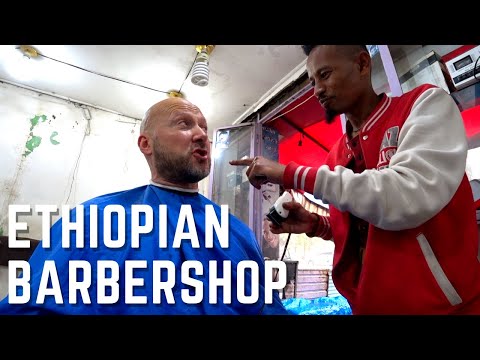 Ethiopia's backstreet barbershop
Sources: UK travel advice: Ethiopia · Ethiopian Media Authority permits (summary). Rules change; check before you travel.
Questions people ask
Can I bring a drone to Ethiopia?
Only with a permit from the Ethiopian Civil Aviation Authority, obtained before you bring it; without one it will likely be held at customs until you leave. Flying near airports, military areas, government buildings and in many parks is prohibited.
What is it illegal to photograph in Ethiopia?
Never photograph military sites, police, checkpoints, airports, bridges, palaces or government offices. If an official asks you to stop, stay calm and polite and delete the photo if asked, as arguing can lead to equipment being confiscated.
Is it OK to take photos of people in Ethiopia?
Yes, but always ask first and respect a "no". Ask with a smile and a gesture, or say "Photo yichalal?" (Can I take a photo?). Avoid photographing children without a parent's permission, and don't photograph people praying or mourning without permission.
Do you have to pay to take photos in the Omo Valley?
Often, yes. In some areas, especially the Omo Valley, people ask for a fee per photo, so agree the amount first through your guide and pay the person photographed.
Are there camera fees at churches and museums in Ethiopia?
Yes, expect camera or video fees at many churches, museums and parks. Some sites also ban flash, and some inner sanctuaries don't allow photos at all.
Do I need a permit to film in Ethiopia?
Yes, for professional work. Commercial filming, documentaries and journalism need accreditation from the Ethiopian Media Authority, and some locations need extra permits. Start the process weeks in advance, usually through a local fixer or production company.