
Shopping
Online shopping in Ethiopia is still young, so for most things the easiest option is a mall or a shop. For online orders, the safest choice is Zemen Gebeya inside the telebirr app, run by state-owned Ethio Telecom. Classified sites like Jiji work too, but never pay before you have the item in your hands.
Shopping apps and sites
Tap a name for the website.

Ethio Telecom's marketplace inside the telebirr app. You pay into an escrow account and the seller is only paid after you confirm delivery. Next-day delivery in Addis.
Classified ads for almost anything, new and used. You deal with the seller directly: meet somewhere busy and pay only when you have the item.

Facebook Marketplace and groups
Lots of local sellers post on Facebook and in Telegram channels. Same rule: see the item first, then pay.

A newer Ethiopian online store and marketplace app.
Where to shop in person
Fixed prices in malls; bargain in markets.
- Morning Star Mall Bole MedhanialemClothes, phones and cafés near Bole Medhanialem church; fixed prices.
- Dembel City Center Bole RoadOne of the city's oldest malls, with clothes, phones and electronics.
- Friendship Mall BoleSupermarket, fashion and household goods.
 Century Mall Gurd SholaModern mall with branded stores.
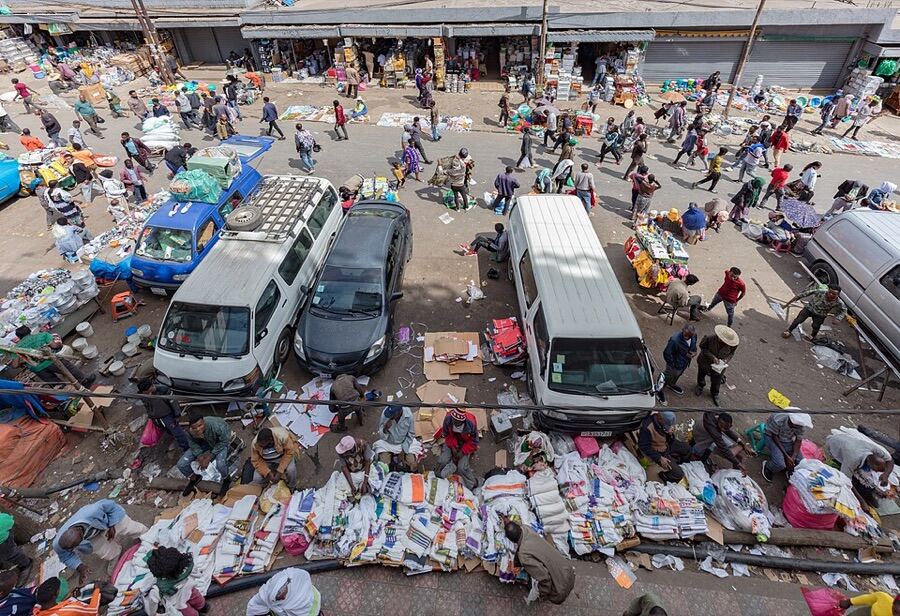 Merkato Addis KetemaOne of Africa's biggest open-air markets: everything from spices to electronics. Bargain, and watch your pockets.
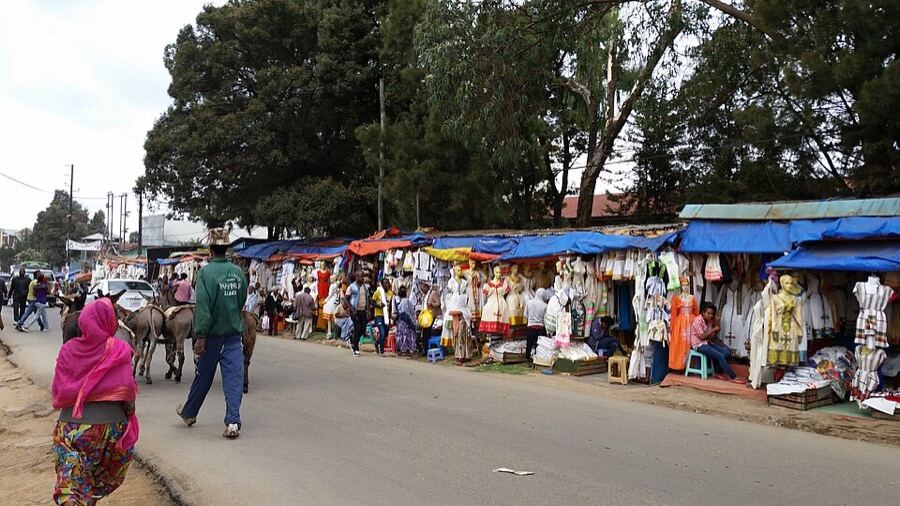 Shiro Meda market Shiro MedaHandwoven scarves, dresses and traditional cloth. Bargain.
Haggling and paying
- Haggling is part of the culture in markets like Merkato and Shiro Meda, at small shops and in the countryside. Start lower and settle with a smile.
- Where a price is written as fixed, in supermarkets, malls and most shops around Bole, don't haggle.
- Never pay in advance for something you haven't received, whether on Jiji, Facebook or Telegram. Payment screenshots can be faked, and "send money first" is the most common scam.
- On Zemen Gebeya your money is held by Ethio Telecom until you confirm delivery, so it's the safest way to pay online.
- Keep receipts for anything valuable, and see What to bring for export limits on antiques, coffee and animal products.
Questions people ask
How much coffee can I take home from Ethiopia?
Up to 2 kg: more than 2 kg needs authorisation. Buy sealed retail packs, which cost about 500 to 1,500 ETB per 500 g at supermarkets, specialty roasters and the airport.
Where can I buy traditional scarves in Addis Ababa?
Go to Shiro Meda market in north Addis, where rows of weavers' shops sell netela, gabi, scarves, dresses and fabric. Expect about 600 to 4,000 ETB, with hand-woven pieces costing more.
How much does a habesha kemis cost in Addis Ababa?
A habesha kemis (traditional dress) costs about 3,000 to 20,000+ ETB at Shiro Meda or from tailors. Prices vary greatly with the embroidery.
Can I bargain in shops in Ethiopia?
Yes, bargaining is normal in markets and small shops, but not in supermarkets or fixed-price stores. Start friendly, offer about two-thirds of the asking price, and settle somewhere in between.
Can I take an Ethiopian cross out of the country?
Buy new crosses, not antiques, and ask for a receipt saying "new" or "replica". Anything old or religious may need an export permit.
What souvenirs should I avoid buying in Ethiopia?
Don't buy ivory, animal skins, shells, coral, wildlife products, or genuine antique manuscripts and church items. They may be illegal to export and take from Ethiopia's heritage.